He Makes Me Dwell in Safety | Psalm 4 | Confidence in the God Who Guards Us
Watch This Sermon: “He Makes Me Dwell in Safety”
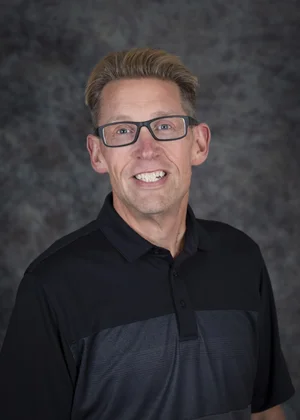
Where do you find your peace? Psalm 4 invites us to ask deep questions about safety and trust. In this sermon, Pastor Mark Groen reflects on David’s bold confidence in the righteousness and refuge of God. Whether you’re facing hardship, wrestling with anxiety, or navigating spiritual weariness, this message reminds us of the sufficiency of the gospel, the strength of God’s promises, and the security of resting in Christ. God alone makes us dwell in safety—and that’s where our confidence begins.
📖 Click to Show the Transcript of this Sermon
What makes you feel safe? Where do you find peace? There really is a lot of talk in our day about safety, about security. On one extreme, we talk of finding a way to protect ourselves if there was some kind of an attack. We worry that perhaps the awful news stories that we see far too often might come and hit home. And so we want to prepare ourselves to be ready when that happens.
We want to feel safe. On another extreme, We hear about the need for safe spaces on college campuses when people share ideas that make them uncomfortable. In fact, this past week, Ana shared with me that she just couldn't stand to part with one of our cats when she goes off to school this Thursday. And so jokingly, I asked if she needed to take the cat along as a therapy animal. And she said that she knew several people who had them. In fact, you just have to go tell the school counselor that you have too much stress.
Now, I'm not talking about this today to say that that's unnecessary or that's bad. That's not my point in bringing this up. It just stood out to me how different that is than when I was in school. I don't remember seeing an animal on campus other than a squirrel. Never would I have imagined that someone would have an animal in their dorm room. And my point here in emphasizing this is that safety is a category that we find ourselves needing to talk about quite often in a way that we haven't in the past. But yet, at the same time, I think we have always acknowledged this need for having a place or something that gives us comfort, right?
I mean, Linus had his blanket and Archie Bunker had his chair. We always have felt this need. We feel this need for safety or we wouldn't have locks on our doors. And whether your place for feeling safe is your home or with a person who makes you feel safe, as my wise oldest daughter said as we were discussing this the other day, we all have a security blanket. We all do. We have something that makes us feel safe. I think this is a really true statement. We all feel a need for safety. We all feel a need for security.
Whether we're baby boomers, Generation X, Millennials, or iGen, it doesn't matter what generation you are, we all desire and exhibit this need for safety in a different way. But the question I want to ask where should our true safety and security come from? In a world that is unstable and can be shaken, we need more than blankets, we need more than therapy animals, we even need more than weapons. We can be shaken, so we need a foundation in the one who is unshakable. And as we come to the fourth Psalm this morning, we see how David looks to the Lord as the one who truly gives him safety.
And just as we saw in Psalm 3, David is not exactly in a position we would expect the anointed king of Israel to be in. He's in trouble, and he's calling out for help to God. Now we're not given the specifics like we were in Psalm 3. You might remember from a couple weeks ago, there we were told why David was in trouble. His very own son, Absalom, was attempting to overthrow him. He was trying to take his throne. And that psalm talked about going to sleep and rising in the morning with a confidence in who God is.
And while we can't know for sure that the context of this psalm is the same as Psalm 3, people have speculated that this is in fact the case, that David wrote this psalm when he was under threat from Absalom also. And Psalm 3 tells us about rising in the morning, that was the theme there. And then this psalm is a prayer in those perilous circumstances, but it takes place in the evening. And we see here that David calls out to his God. This is the God of his righteousness. This is what is at the root of this boldness that David has.
He says, answer me when I call. Now that's bold. Who speaks to God this way? That is confidence. He's telling the God of creation, the maker of everything, to answer him. And the reason why he is so bold is because he knows where his righteousness comes from. It isn't from within David. He can cry out to God because he knows that God is on his side. Why? Because God has given him his righteousness. Because God has done this, David doesn't doubt that God is on his side. And he expects God to defend him. And notice, that David isn't blaming God for putting him in this bad situation.
He doesn't cry out and say, well, I'm supposed to be blessed, God. I'm the anointed king of Israel. What is wrong with you? Forget you, God. It would be less worse if I just tried this on my own. I don't need you. That's not what David does. Instead, David knows hardship and suffering is a part of life. There's no promise for God's people that suffering will be eliminated for us in this life. But we see that God provides relief for his people. David shows us this. He calls out to God knowing that he is the one who has given him righteousness.
And he also knows that God has given him relief in the past. In our prayers. should model this. We should pray with boldness, knowing that we are God's people and we should also recall when God has answered our prayers in the past. We can go boldly before the throne of grace because we know that He is our righteousness. Because we are in Christ, we can know that we can go before God and that's why we end our prayers in Jesus' name. We know that He is the one who makes it possible for God to hear our prayers.
Jesus is our righteousness, and so we go before God humbly knowing that we are holy and clean before God because of Him. Now obviously, we're not to use prayer assuming that it is a way for us to manipulate the Almighty. as if it's a way for God to give us what we want. Instead, our prayers are to desire that God's will would be done. And the best way I've seen this described as we think about prayer this morning, about David's prayer crying out to God, the best way I've seen this to help us understand that we aren't the ones trying to manipulate God to give us what I want is to imagine ourselves in a boat And I know some of you, you like that idea.
There's no fishing pole involved here though, so you're going to have to stay with me. Imagine you're in this boat, you're out of gas, and the battery for your trolling motor is dead, and you left the oars in the truck bed. You aren't very far from shore, but there's no wind or current, and you aren't going to drift ashore anytime soon. And so you're able to throw a line to the shore, and there's a small child there who puts the knot you made on it around a pole, and so you have a connection to the shore, and it's secured.
And you begin to pull on the rope to bring the boat in. Now, you might feel, I know some of us think we're pretty strong, you might feel like you're bringing the land to you, right? Look how strong I am, I'm bringing the land in. But that's not what's happening, is it? Even though you might feel like you're pulling the shore to you, we are pulling ourselves to the shore, right? In the same way, when we pray, we might come to it with the idea that we're pulling God to us. but he is strong, he is secure, and instead of pulling God toward us in prayer, we are bringing ourselves to him.
You can't bring God in line with your plans. Instead, when we pray, we're bringing ourselves in line with God's eternal purposes and his decrees for us. And so with David, We trust that God's ways are gracious and that He'll hear our prayers. We're not praying to manipulate God. We're praying to bring ourselves in line with His will. But none of this means that David is perfectly understanding all of this, does it? David has questions. and he is plagued with lament about what's going on. He turns to this psalm from being directed towards God and now he has a question for people.
David calls out to the men who have set themselves against him. David is to be honored as the anointed king of Israel. He's the chosen one of God. But what are the people doing? They're going after another one to lead, one who isn't anointed. And in the midst of all of this, David could also be talking about the people of Israel forsaking God. He might not just be saying that they have shame because they've forsaken him as king, but also there's a deep connection. They are forsaking God because they've forsaken his anointed one. Because the two are usually going to go hand in hand.
If the people are siding with someone trying to overthrow the anointed king of God, chances are they don't care too terrible much for God. They turn to vain words and they go after lies. And whether that is the lies of someone trying to overthrow the king, or the lies that an idol would give them what they want, it's a state of affairs as David is writing this psalm. Now, in our sin. This is what we do too, right? We want what we want and so we listen to those things that tickle our ears. We love vain words if they are the words we want to hear.
We're willing to believe lies if they tell us that we will get our way. And I think this is true in every area of life. Our sinful desires blind us to the truth. Our sinful desires make us love words that are weak instead of words that are full of substance. These questions that David asks of the people of Israel are questions to me, to evaluate myself too. How long will I love vain words? How long will I seek after lies? Will I trust God? or the words that deceive me? Will I seek after the lies that the devil and the world promise me will give me satisfaction?
Or will I know that the Lord will hear my prayers and that His will for me is far better than anything the world can offer me? That's the question for us. Are we going to believe vain words and lies? Are we going to believe God's true word? and David has an answer for us. The Lord hears when he calls to him because he has set apart the godly for himself. The ones who hear the word, the ones who believe by faith and obey it, God separates them. He protects them. These are the ones in covenant with him and they receive God's unbelievable loving kindness.
And the idea here is that this verse is telling us that the godly are those that God has bestowed a very special type of love and faithfulness to. And that's why it says that God has set them apart. And this should do something for us. Why in the world would we chase after a vain word? Why would we believe lies when we have a God who has set us apart When we have a God who loves us with an unchanging love, why would we do that? But we do. We know the love of God, but yet we try to find safety and satisfaction in things other than Him.
And the call in our lives as God's covenant people is to avoid that. Instead, we are to trust and believe God's truth. He hears us when we call, and so we need to hear His word and believe that His provision for us is sufficient. David believes this because here he is calling out to God, not when things are good, but in times of trouble. And so he has a word to speak to those who are discouraged in his camp. David is crying out to God. And so, if they are angry at those who try to overthrow the king, they just need to be patient, he says.
Don't sin. Don't lack a trust in God. Instead, ponder the faithfulness of God to his people. In other words, David is saying, be silent. Chill out. Let God work. Let God work. We saw this two weeks ago when we were in Psalm 3. I mentioned the need there for a better understanding for us of how sleep shows that we trust God. And here comes this same theme. It comes in the Psalms again and again. Rest and let God work. Don't be angry. Avoid this sin and let God be the one who takes care of things.
Leave it to God and be silent, David says. And I think as hard as this is for us, I think we do know that this is what we should do. As Jesus says, worrying isn't going to add one moment to our lives, is it? We need to rest and be silent Not because we just shouldn't worry, but because as Christians, we believe a very certain truth. We believe that God is in control. Now, we believe it, but yet we still worry. But we do believe it. God is in control. And the psalmist wants us to know this.
He wants us to believe this. He wants us to act on it. And actually, hear what he wants us to act on. is going to bed and being silent. He's telling them to stop stressing and instead trust God. David believes God is going to work while they are silent. So he tells them to give their sacrifices to God and trust Him. Do what God calls you to do and walk away and rest and trust that God is going to work. In other words, David is saying, do what God commands you to do. and sit back and let him be in control.
But then David in verse 6 anticipates their response. The people say, who will show us some good? And in other words, what they're saying here is, show us why we should give sacrifices and trust God. If trusting God is so great, David, why are you the one who is in trouble? If God is so great, David, why is Absalom in the palace and you're scared for your life out in an army camp? Now what this does is this shows us something very important, that the awful and heretical ideas of the prosperity gospel are not a modern invention.
This is a false idea that says that if you trust God the right way and pray for wealth, then he will bless you with prosperity. And here, these people are saying that if David was really the anointed king, then he wouldn't be having these problems. And the modern prosperity false teaching tells us that we can be wealthy or that we can heal ourselves of sickness. And if that doesn't happen, then the problem is you don't have enough faith, or you haven't given enough money. But that isn't how faith works. God has not promised us earthly prosperity, has he?
He has promised eternal safety and security. And I'm not going to take the time to go through all the hardships that the people of God have endured through the ages, because you know the stories. But there's one thing I want to remind you of. Remember, we serve, and we were saved by, a suffering king. Jesus delivered us from death, hell, and the devil through suffering, not prosperity. In fact, prosperity was what the devil tempted Jesus with in the wilderness, and Jesus rejected it. And so with David, we must do the same thing. We need to trust that our salvation is all the prosperity we need, and that that is sufficient to bring us joy in any and every situation.
And we see this here, that David knows that he's better off with God than when the ungodly have prosperity. Look at what it says here, it's great. You put more joy in my heart You put more joy in my heart than they have when their grain and their wine abound. His joy in hardship is greater when they have plenty of grain, they have plenty of wine. He would rather have hardship with God than plenty and not be in his covenant. David's joy in his security comes not from a full barn and overflowing wine vats. David's joy comes from peace and salvation and knowing that the Lord is his righteousness.
And we see that he trusts in this peace and he does it when he lies down, he does it when he sleeps. For the Lord alone makes him dwell in safety. And all I can say about that last verse is wow. I want to be there with you, David. That's what I want to be. I want to say this prayer. I want to sing this psalm and truly mean it like you, David. But I'm guessing this is a struggle for many of you also. Like I said as I began this morning, we all have things that act as our security blanket, right?
From the smallest of us to the biggest and strongest of us, we all have something that gives us a feeling of safety. But as we see here in this psalm, the only true place that we can have safety is with the Lord. And this is important for us to come to grips with because no matter how good things can be for us, we live in a fragile world. On any given week there is something on the news that shows how easily our world can be shaken. Tragedy is no respecter of persons. Storms do not pass over affluent neighborhoods and attack the poor people.
Disease does not avoid those who are in positions of power. And the curse will come after us no matter how wealthy or how powerful we are. The curse is coming. Even with our extended lifespans in modern times, you are maybe, what, going to get 10 to 15 more years than you would have otherwise? And I promise you, in those 10 to 15 years, they're not going to figure out how to make you live forever. Wherever we think our safety comes from, it pales to being in the hands of the one who makes you dwell in safety.
It pales to being in the hands of the living God who loves you. And so as we leave from here today, it's important that we stop and we realize just where we need to place our trust. While many of the things that we do in our lives are good things, they still only provide us with temporary safety. The psalmist wants us to see that God is the one who truly makes us dwell in safety. But the question is, how do we do that? How do we dwell in his safety? And I believe there are three things that can truly help us remember the safety that we have in God.
And the first one is we need to know the Word. Now this is an obvious one. Of course the pastor's going to say you need to know the Bible, right? I know it's easy for us to fall into the trap that David's opponents were attempting to get him into. It's easy for us to think that when things go wrong, We, it may be because we weren't faithful enough to God, or we have this sin problem, and so we're being punished by God for that. But if we know the Bible, if we know God's Word, we're gonna remember that Abraham suffered, right?
Moses suffered, David suffered, the apostles were martyred, and of course, our Lord Jesus Christ suffered. And so if we know these truths, and have them deep down, We will remember in the midst of our struggles and suffering that God is with us in them. When we remember that God works through these things, we will be reminded that He makes us dwell in safety. Secondly, we need to trust in the sufficiency of the gospel. Because so much of our lack of feeling secure is that we believe that somehow this all depends on us. Is the reason that we have problems that we didn't say the right prayer?
or we don't do enough good works. Is that why? Have you had those thoughts? Have you had those questions? Well, the gospel invades those false thoughts. It invades those self-centered ideas with the truth that Jesus is the one who saves you. You are in Him, and you did nothing on your own to achieve that. The gospel is enough. The gospel is sufficient. The good news that Jesus lived, died, rose again, and ascended for you is truly enough. It really is. There's not some magic thing you can do to be more blessed. The gospel is sufficient, and it's the only thing that truly makes you secure.
It is the only thing that can make you to dwell in safety. And lastly, rest in who God is. Remember what we have learned here. God works all things together for good for those who love Him. He gave you His righteousness in Jesus Christ. In Him you are forgiven. So rest in that fact, that He is your safety. As David said, in peace I will both lie down and sleep. When you need to feel safety and security, remember who alone makes you to dwell in safety. Rest in Him, because when it all comes down, He's all we got.
And so when you lie down and sleep, do so in peace. Because no matter what has happened that day, or no matter what will happen the next day, God is in control. And He will continue to be. And because of Him, you can eternally dwell in safety. So trust God, take Him at His word, and believe, believe that He will make you dwell in safety.
Amen.
Looking for more on Psalm 4?
If this message helped you reflect on the peace and safety we find in God, explore our Dwell in the Word devotional on Psalm 4. This short teaching complements today’s sermon with devotional insight and prayer, helping you take God’s Word into your daily walk.
Watch our Morning Psalms & Prayer episode on Psalm 4, Peace in the Night, for a brief reflection to start your day with God's Word.
We invite you to explore more from our Summer in the Psalms series as we continue discovering how God meets His people in every season of life.